
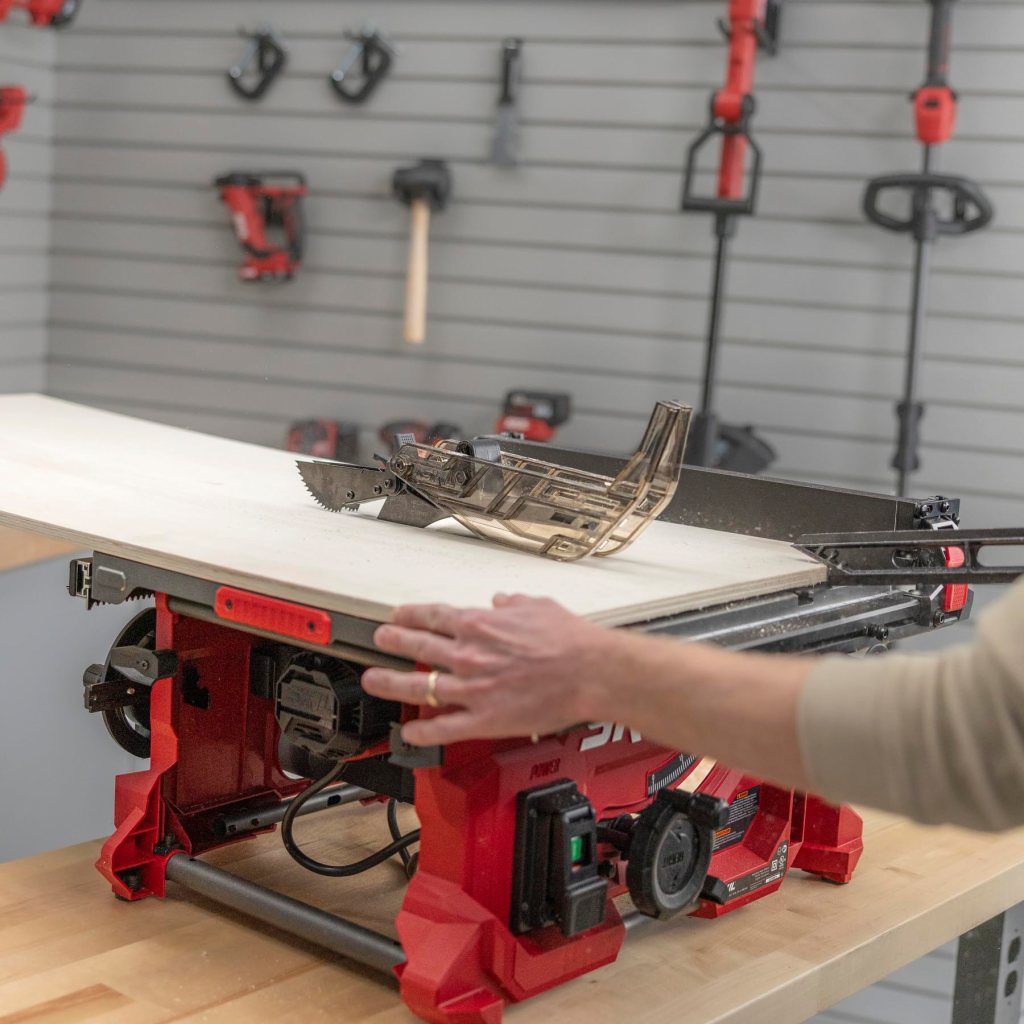
When using a table saw, setting the correct blade height is crucial for achieving clean cuts, minimizing tear-out, and ensuring safety. There’s an ongoing debate between low blade vs. high blade settings, but the ideal height depends on the type of cut, material, and personal safety preferences.
This guide explains how to determine the best blade height, the impact of different settings, and which high-quality table saw blades you should consider for precise and efficient cutting.
1. Why Blade Height Matters on a Table Saw
✔ Affects cut quality – Too high or too low can lead to rough cuts or excessive chipping.
✔ Impacts safety – Higher blades expose more teeth, increasing the risk of kickback.
✔ Influences tear-out – Proper height settings help prevent wood splintering.
The goal is to find a balance between cut quality, efficiency, and safety based on your project needs.
🔗 Shop High-Quality Table Saw Blades on Amazon
2. The Two Main Blade Height Theories
There are two primary schools of thought when it comes to setting table saw blade height:
A. Low Blade Theory (1/8″ Above the Material)
✔ Keeps more teeth engaged for smoother cuts.
✔ Minimizes tear-out and splintering.
✔ Lower risk of kickback since the blade isn’t as exposed.
Best For:
- Plywood and veneered sheets
- Fine woodworking with delicate cuts
- Softwoods prone to splintering
🔗 Find Fine-Tooth Table Saw Blades on Amazon
B. High Blade Theory (Teeth Fully Exposed or 1” Above Wood Surface)
✔ Reduces heat buildup for cleaner cuts on thick materials.
✔ Less friction means lower chances of burning wood.
✔ Less material-to-blade contact reduces resistance.
Best For:
- Hardwoods like oak, maple, and walnut
- Cutting thick materials (1” or more)
- Rip cuts requiring aggressive removal
🔗 Shop Rip-Cut Blades for Hardwood on Amazon
3. How to Set the Right Blade Height
Step 1: Check the Manufacturer’s Recommendations
Most saw manufacturers recommend setting the blade ¼” to ⅜” above the workpiece for optimal results.
Step 2: Consider Your Material Type
- Softwoods & plywood → Keep the blade just above the surface for clean cuts.
- Hardwoods & thick stock → Raise the blade slightly higher for efficiency and less heat buildup.
Step 3: Test on Scrap Wood
Always make test cuts on scrap material to check for:
✔ Smooth edges (no chipping or tear-out)
✔ Minimal resistance when pushing material through
✔ No excessive burning on wood edges
🔗 Get Professional Table Saw Blades on Amazon
4. Choosing the Right Table Saw Blade for Your Cuts
A. General-Purpose Table Saw Blades (Best for Versatility)
✔ Cuts softwood, hardwood, plywood, and MDF
✔ Combination teeth (ATB or TCG) for smooth cuts
✔ Ideal for hobbyists and DIYers
🔗 Shop General-Purpose Table Saw Blades on Amazon
B. Rip-Cut Blades (Best for Cutting with the Grain)
✔ Fewer teeth (24-30) for fast cuts through thick wood
✔ Reduces friction and burning on long cuts
✔ Ideal for hardwoods, furniture-making, and cabinetry
🔗 Find the Best Rip-Cut Blades on Amazon
C. Crosscut Blades (Best for Clean, Smooth Crosscuts)
✔ More teeth (60-80) for a polished finish
✔ Designed for cutting across the wood grain
✔ Reduces tear-out on plywood and fine woodwork
🔗 Get Crosscut Table Saw Blades on Amazon
D. Dado Blades (Best for Joinery & Grooves)
✔ Creates wide grooves and dado joints
✔ Used in cabinetry, furniture-making, and shelving
✔ Available in stacked and wobble configurations
5. Table Saw Blade Height Safety Tips
✔ Use a Riving Knife or Splitter – Prevents kickback when cutting.
✔ Keep Hands Clear – Use a push stick for safety.
✔ Don’t Raise the Blade Too High – More exposed teeth increase injury risk.
✔ Choose the Right Blade for the Job – Avoid tear-out and improve efficiency.
🔗 Find Safety Accessories for Table Saws on Amazon
Final Thoughts
Setting the optimal table saw blade height depends on your material, cut type, and personal safety preferences.
👉 For smooth, splinter-free cuts: Keep the blade just above the workpiece.
👉 For thick hardwoods & aggressive cuts: Raise the blade higher for efficiency.
👉 For maximum precision: Choose the right blade type for your project.
🚀 Upgrade your table saw performance with high-quality blades from Amazon!




 Rex Rates
Leave a comment